




Report on Cold Rolled Steel Sheet Transactions in Iran in 2025
Introduction
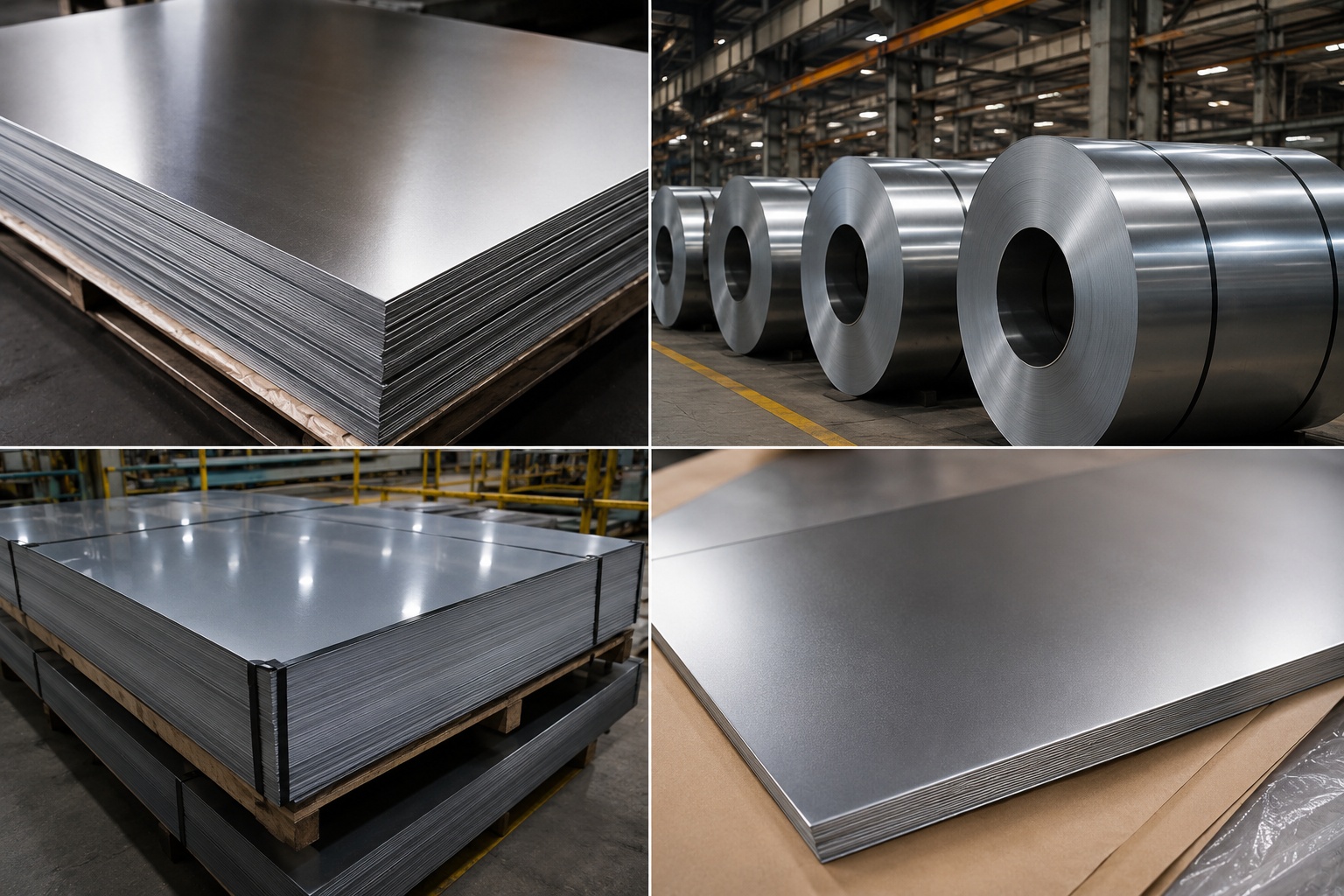
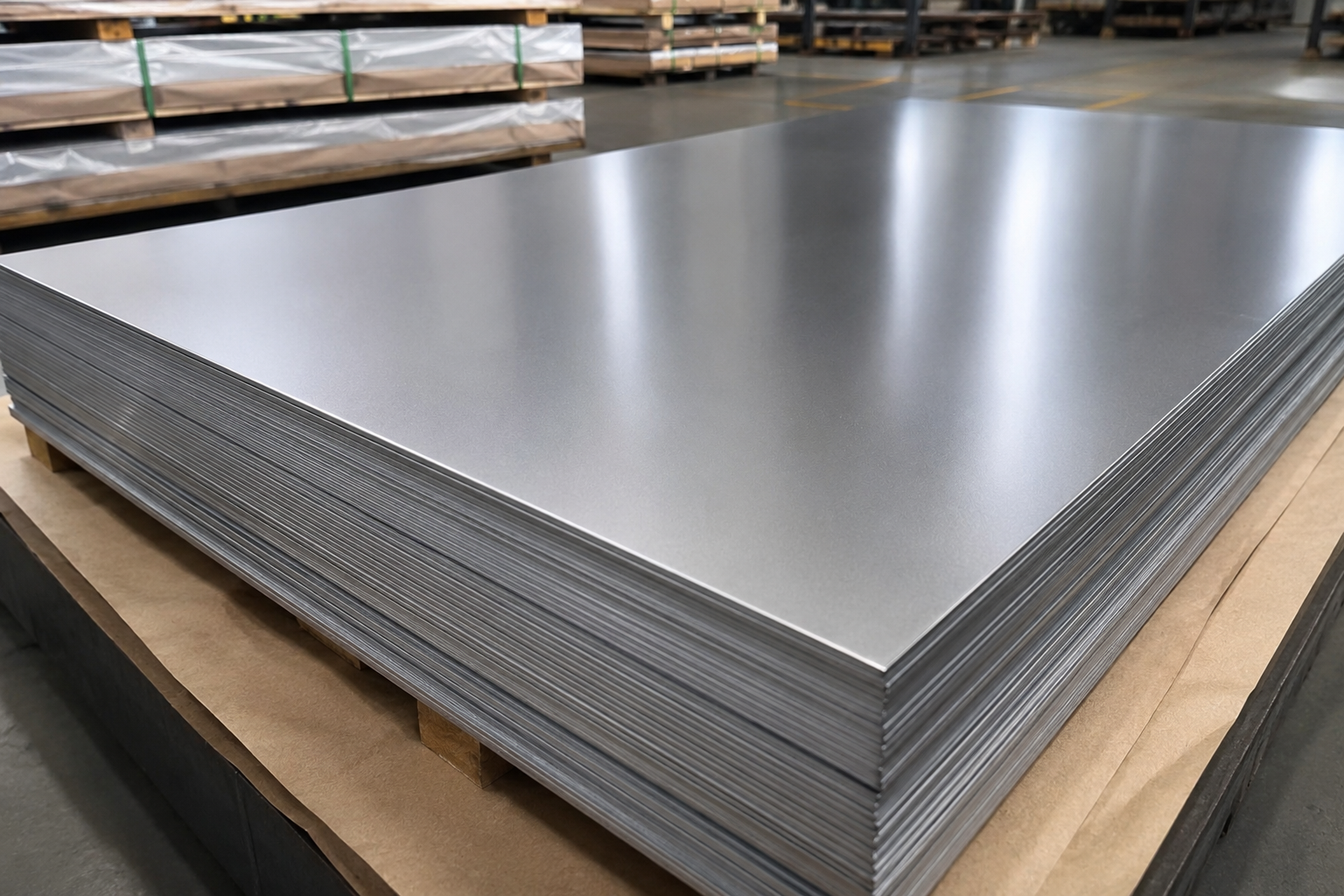
Cold Rolled Steel Sheet is one of the most important products in Iran's steel value chain. It is widely used in the automotive industry, household appliance manufacturing, pipe and profile production, industrial equipment, and metalworking industries.
In 2025, the Iranian cold rolled steel sheet market was influenced by several factors, including energy supply restrictions, exchange rate fluctuations, the performance of the Iran Mercantile Exchange (IME), and changes in demand from downstream industries.
Trading Activity on the Iran Mercantile Exchange
In 2025, a significant portion of cold rolled steel sheet transactions was conducted through the Iran Mercantile Exchange (IME). Major suppliers included companies such as Mobarakeh Steel Company and certain import suppliers.
During the early months of the year, trading volumes remained at a relatively favorable level due to increased demand from consuming industries, particularly automotive manufacturers and household appliance producers.
According to Iran Mercantile Exchange statistics, in June 2025 (Khordad 1404), more than 9.2 million tons of various commodities, valued at approximately 1,340 trillion Iranian tomans, were traded in the physical market of the exchange. Steel products accounted for a significant share of these transactions.
Supply and Demand Trends
Throughout 2025, the cold rolled steel sheet market was characterized by three major factors:
Increased demand from the automotive industry
Supply restrictions caused by maintenance activities and power outages at some steel production units
The presence of imported steel sheets to partially meet domestic demand
In some Iran Mercantile Exchange offerings, demand for cold rolled steel sheet exceeded the available supply, indicating strong demand from domestic industries. During the second half of the year, imported cold rolled steel sheets were also offered through the exchange to help compensate for part of the market shortage.
Factors Affecting Cold Rolled Steel Sheet Prices
The main factors influencing cold rolled steel sheet transactions in 2025 included:
Exchange rate fluctuations
Global steel prices
Restrictions on electricity and natural gas supplies to steel mills
Supply volumes on the Iran Mercantile Exchange
Rising transportation costs
Increased demand from downstream industries
As a result, cold rolled steel sheet prices experienced significant fluctuations at different points throughout the year. During certain periods, the price gap between the open market and prices discovered through the exchange also widened.
Major Consuming Industries
The largest volumes of cold rolled steel sheet purchases in 2025 were associated with the following industries:
Automotive manufacturing
Household appliance production
Metalworking and profile manufacturing
Galvanized steel sheet production
Industrial equipment manufacturing
Growth in these industries, particularly the automotive sector, helped keep demand for cold rolled steel sheet relatively stable.
Market Outlook
According to market experts, the cold rolled steel sheet market could achieve greater stability during the remainder of 2025 and in the following years through the expansion of cold rolling capacity, increased supply on the Iran Mercantile Exchange, and improvements in energy infrastructure.
Investment in high-quality steel sheet production lines and reducing dependence on imports are also expected to remain among the key objectives of Iran's steel industry.
Conclusion
The year 2025 was characterized by relatively strong demand but limited supply in Iran's cold rolled steel sheet market. Although energy restrictions and economic fluctuations affected trading activity, continued supply through the Iran Mercantile Exchange and the arrival of imported shipments helped prevent severe shortages.
Given the critical role of cold rolled steel sheet in the automotive and household appliance industries, this product is expected to remain one of the strategic products in Iran's steel value chain.