







Iron Ore Pellets: The Golden Link in the Steel Production Chain in 2025
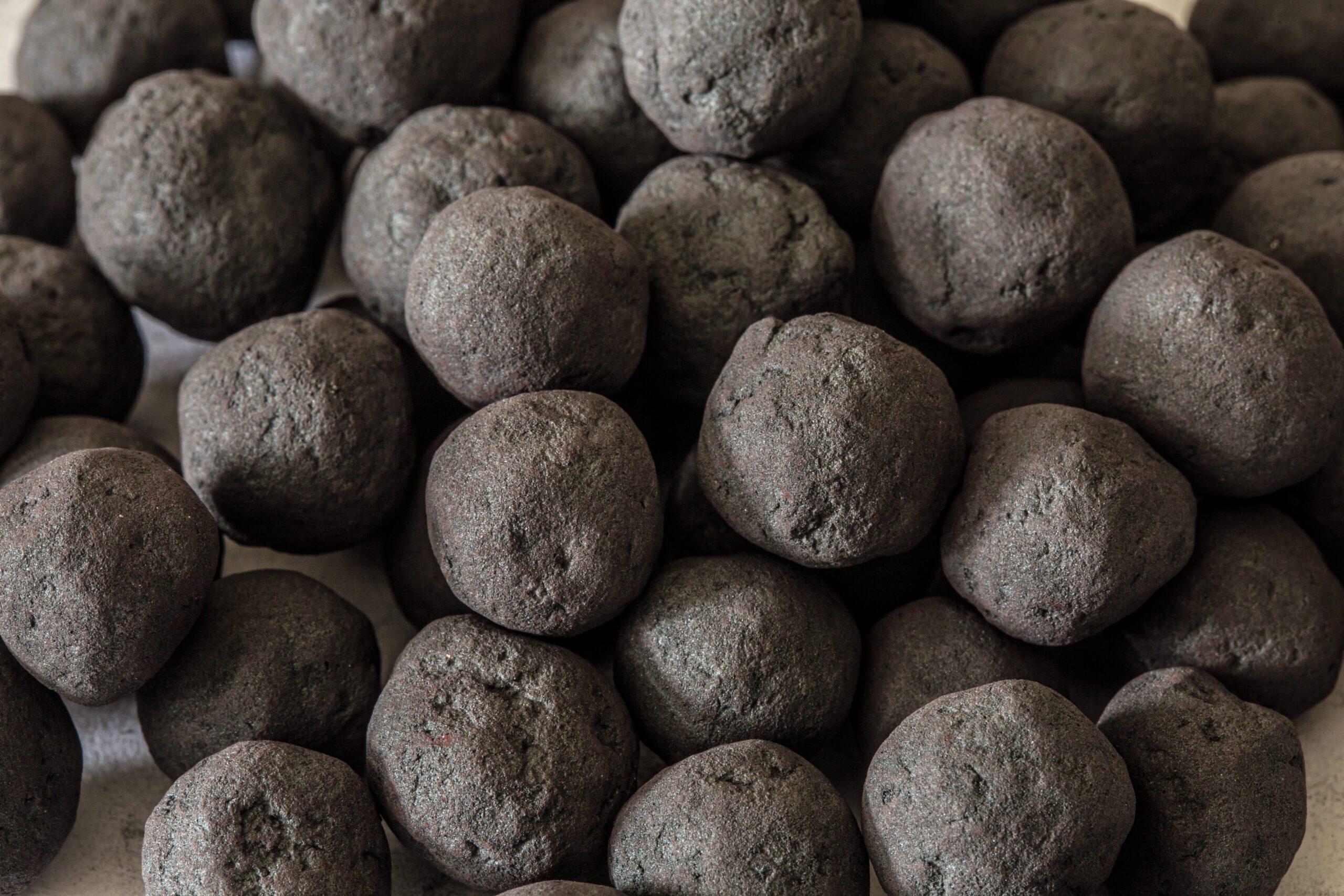
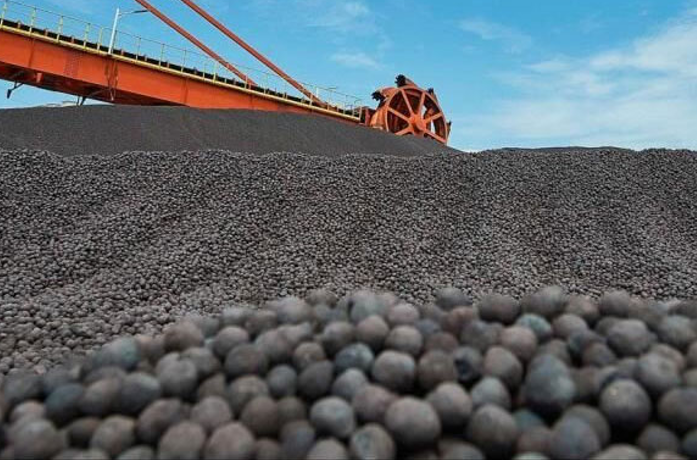
Iron ore pellets are one of the most important intermediate products in the steel industry. They are produced from iron ore concentrate along with various additives. Due to their high strength, uniform particle size, and suitable iron content, pellets are considered a primary raw material for direct reduction iron units and many steelmaking plants.
How Are Iron Ore Pellets Produced?
The pellet production process begins by mixing iron ore concentrate with bentonite and a small amount of water. This mixture is formed into green pellets using pelletizing discs or drums and is then fired in specialized furnaces at temperatures exceeding 1,200°C.
The result is a pellet with high mechanical strength and suitable properties for use in direct reduction units.
Benefits of Using Iron Ore Pellets
Increased efficiency in direct reduced iron production
Reduced energy consumption during the reduction process
Lower levels of impurities
Easier transportation and storage
Improved quality of the final steel product
The Pellet Industry in Iran in 2025
In 2025, Iran's iron ore pellet industry remains one of the strategic segments of the country's steel production chain. Although producers face challenges such as electricity and natural gas restrictions, rising production costs, and fluctuations in global markets, the country's pellet production capacity remains at a high level.
According to published production figures for 2024, which serve as a basis for evaluating the industry at the beginning of 2025, major mining and steel companies in Iran produced nearly 35 million tons of iron ore pellets, representing approximately 7% growth compared with the previous year.
Iran's iron ore pellet exports also exceeded 10.8 million tons in 2024, highlighting the country's significant potential in international export markets. It is expected that this trend will continue in 2025 as new development projects come online and energy infrastructure improves.
Future Outlook
Given the development plans for Iran's steel industry, increasing capacity of direct reduction units, and continued investment in iron ore mines, demand for iron ore pellets is expected to continue growing in the coming years.
The adoption of advanced technologies, reduction of energy consumption, and completion of the value chain from mining to steel production will be among the key factors determining the future success of this industry.
Conclusion
Iron ore pellets are one of the most important products in the steel value chain and play a decisive role in the production of direct reduced iron and steel. The high quality of Iranian pellets, combined with increased efficiency in steelmaking units and Iran's strong position in pellet production and exports, indicates that this industry will continue to be a strategic sector of Iran's mining and economic landscape.